
Photo by Edward Jenner/Pexels
During an especially active flu season that started in October 2017 and continued through late April 2018, the U.S. Centers for Disease Control and Prevention (CDC) reported that more than 200,000 of its residents tested positive for the flu virus and more than 30,000 people were hospitalized.
Considering the 2017-2018 flu outbreak is on target to surpass the record season of 2014-2015 and the scope of the next flu threat is still unknown, it’s even more important for event professionals to watch out for the health of attendees, as well as themselves.
Dr. Jonathan Spero, CEO of InHouse Physicians, an Illinois-based event medical support company that provides more than 600 meeting days of coverage per year, says that they have seen the increase in flu symptoms.
“We see on average 1 percent to 2 percent of the group per day and in the winter months we’re seeing maybe 3 percent to 4 percent,” he says. “In the winter months it goes up because of the flu and this flu was particularly bad, so we saw more people come in.”
Spero says that the most recent flu season was more difficult because it was so widespread and included the more powerful H3N2 flu strain.
“Our clients voiced concerns about treating attendees who had flu symptoms and containing any outbreak of flu quickly and effectively,” he says. “They also wanted to make sure that Tamiflu was readily available if an attendee was diagnosed with influenza.”
One event that Spero’s group provided coverage for had more than 4,000 attendees, many of whom had a family member who was sick with the flu at the time. Spero’s team worked with company representatives to educate attendees on flu symptoms and put flu-prevention protocols in place. The onsite physician saw 350 people and reduced the threat of spreading the illness.
To curb the risk, Spero says communication from organizers is key, making it clear in the preconference materials that anyone who has flu-like symptoms should not attend the event.
“Once they’re on site, they should understand the flu can spread quickly and that they need to use certain preventative measures,” he says. “We recommend easy access to hand sanitation around the venue and sharing basic instructions of things they should be doing to avoid catching the flu. If you have an outbreak or people getting sick, you want to instruct those attendees with flulike symptoms not to attend the meeting activities—basically quarantine themselves.”
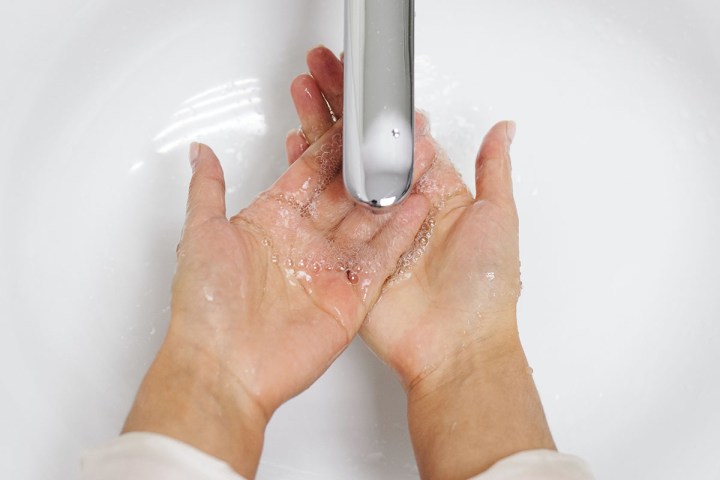
For protection against the flu or other viruses, Spero recommends preventative measures such as using disinfecting wipes on common areas and equipment, avoiding contact with people who are sick, coughing and sneezing properly (into your elbow or sleeve) and washing hands often. If soap and water aren’t readily available, Spero advocates using an alcohol-based hand rub and underscores the importance of flu shots.
“Of course, get the flu shot,” he says. “Only about 20 percent to 25 percent of the population gets flu shots and probably because it’s not always perfectly effective. Each year can vary, but it’s still better than not getting a flu shot.”
When it comes to dealing with other health emergencies, working ahead to make sure the venue has the appropriate tools can be critical. Spero points out that not all hotels carry Automatic External Deliberators (AEDs), and as a result, alternative measures should be part of the planning process.
“You’d be surprised how many [hotels] don’t have AEDs on property because their lawyers have said that it increases their liability,” he says. “If you’re thinking that the first responder team at a hotel is going to be able to take care of somebody that has cardiac arrest, which is the No. 1 cause of death, then you may want to ask when you’re at the hotel if they do have AEDs and you may also want to ask what the first responder team looks like.”
Spero says that considering the average EMS response time is 10-12 minutes, the event staff might have to take matters into their own hands.
“I personally think that everyone who is in the [meeting and event] industry should be trained in at least CPR,” he says. “It just doesn’t make sense why you wouldn’t be, because [it’s] the difference between life and death for someone who’s choking on a piece of meat or has an allergic reaction to shellfish. They all don’t have to be cardiac arrest.”
Allergic reactions are something to which event professionals should especially pay attention given the increasing number and types of food allergies among attendees. Spero believes that a clear line of communication should exist with food and beverage providers.
“Whoever handles food and beverage, it would be nice to have on [event professionals’] checklist to touch base with them and [discuss] how to prevent food allergies from occurring,” he says. “With a lot of the major hotels you don’t have to worry about that, but if you go to the Rivera Maya and you have an incentive in Cancun, [meeting and event professionals] may want to have those discussions.”
Spero says paying attention to details such as food allergies and planning medical care are becoming more important as more events take on a global reach.
“I have seen a big change over the past three or four years where duty of care is becoming more of a corporate buzzword and a requirement to identify the risks, inform and warn attendees about those risks and then mitigate the risks when they can,” he says. “[Meeting and event professionals] need to consider, if they’re having large meetings or international meetings away from U.S. standards of medical care, that there are options to consider for onsite medical support. It doesn’t need to be announced physicians, but it’s another risk management tool you can use to demonstrate your duty of care.”
This blog post originally appeared in the June 2018 edition of The Meeting Professional. It has been republished here with permission.
Discover more from Words, Photos, Music & Travel
Subscribe to get the latest posts sent to your email.
 Words, Photos, Music & Travel