

The vast expanse of the Atlantic Ocean.
320-million-year-old skyscraper-like cliffs.
Potential for gale force winds.
Soaking jets of water.
Welcome to Ireland’s famed Cliffs of Moher.
Making the Ascent
As visitors make their way up the series of steps from the parking lot to the observation area for the Cliffs of Moher, the wind immediately makes its presence known as it whips off the Atlantic Ocean. These winds, which have been known to reach top speeds of 124 mph, also contribute to a phenomenon that can leave sightseers soaking wet.
Formed during the Upper Carboniferous period and spanning five miles, parts of the cliffs reach up to 700 ft or 64 stories tall and when the ocean waves violently crash on the rocks below, the wind transports the spray up the towering bluffs.
In some places, these columns of water gently rise into the air over the cliffs, twirling and dancing while backlit by the sunlight. In other locations, though, people moving along the paved walkway are drenched by an impromptu downpour, leaving them scrambling to get past the almost firehose-like spray.
While these water hazards are limited to a few parts of the expansive cliffs, it certainly warrants being prepared and bringing a raincoat at the very least.
Side Trip…
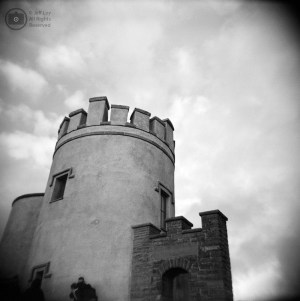
A view from the top
Located between the north and south viewpoints of the Cliffs of Moher, O’Brien’s Tower offers visitors views for miles in all directions on a clear day. Built in 1835 by Cornelius O’Brien, the local landowner envisioned the cliffs attracting tourists and benefitting the depressed local economy.
Weathering the storms
Raincoats aren’t just needed as protection from the occasional ocean spray. The weather can be unpredictable, especially during the winter where sun can give way to rain showers in just a matter of minutes.
Discover more from Words, Photos, Music & Travel
Subscribe to get the latest posts sent to your email.
 Words, Photos, Music & Travel